





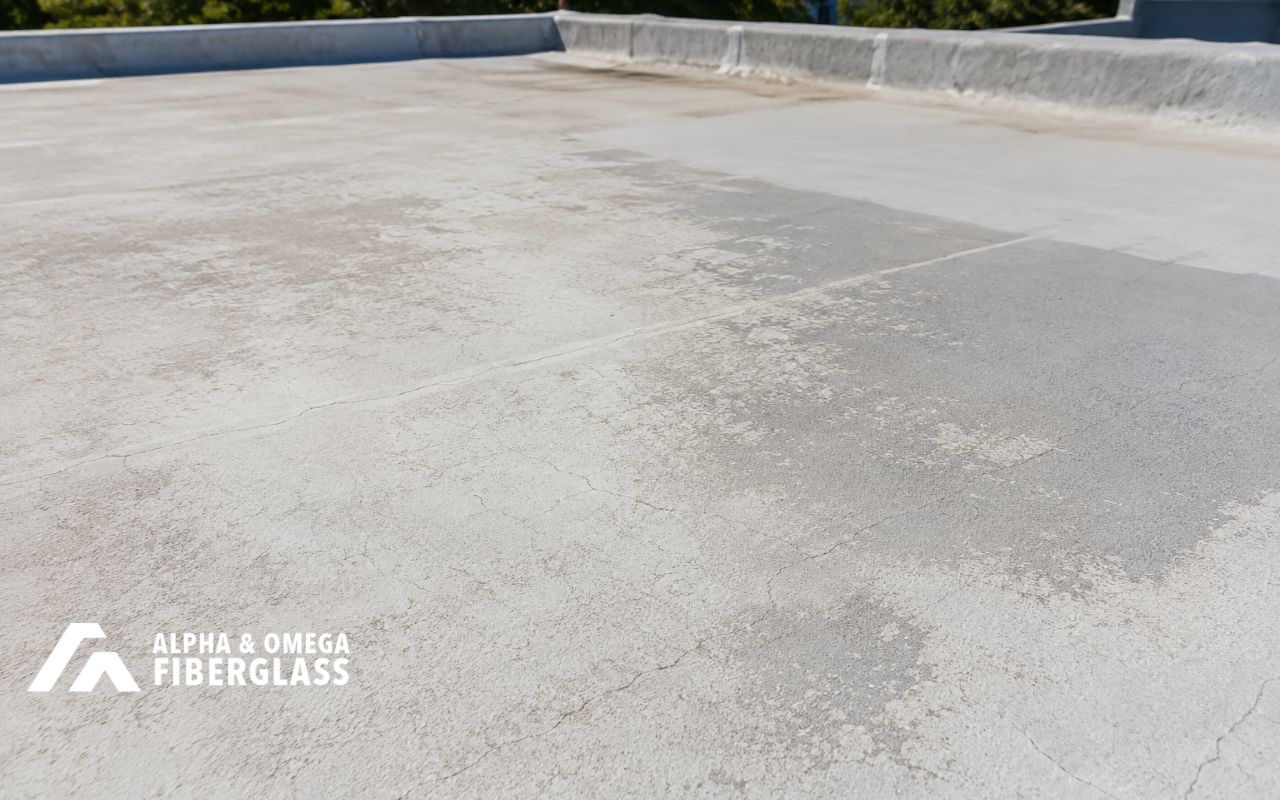
Why Does Fiberglass Roof Thermal Movement Affect Performance?
Hot afternoons, cool nights, and seasonal weather shifts can make a roof move more than most homeowners expect. If you are planning repairs or a new system, start by reviewing fiberglass roofing systems so you understand how material choice affects long-term performance.
Why Does Fiberglass Roof Thermal Movement Affect Performance?
Fiberglass roof thermal movement affects performance because heat makes fiberglass expand, while cooling makes it contract. When that movement is not planned for, seams, fasteners, edges, and flashing can face extra stress that may lead to leaks or surface damage.
For many homeowners, a fiberglass roof is a resin and glass-fiber system built to cover and protect a structure. It is useful for homes that need a durable, water-resistant surface. The system solves weather exposure problems, but it must be installed with room for small movement.
Temperature Cycling Effects Shape Long-Term Fiberglass Roof Performance
Daily temperature changes create repeated movement across a fiberglass roof. Sunlight warms the surface during the day, then cooler evening air pulls heat away. This cycle can slowly stress weak details, especially where panels, seams, fasteners, or flashing were installed too tightly.
The National Roofing Contractors Association explains that roof temperature is affected by surface color, solar heat, and the material below the roof. That matters because temperature cycling effects can be stronger on dark or highly exposed surfaces.
Hot sun can increase roof surface expansion.
Cold nights can pull materials back inward.
Fast swings can stress seams and sealants.
Repeated movement can expose weak installation details.
At Alpha & Omega Fiberglass, we check how the roof surface, edges, and surrounding details may react before recommending the next step.
Proper Detailing Reduces Roof Expansion And Contraction Stress
Careful detailing helps the roof move without forcing stress into one weak point. Roof expansion and contraction should be considered around edges, corners, drains, seams, and penetrations. These areas often show the first signs of movement-related wear.
Small installation choices can make a major difference. For example, edge transitions need clean alignment so water can drain correctly. Sealants also need enough flexibility to handle movement without cracking. For more detail, review our edge detailing guidance.
Useful detailing decisions include:
Allowing slight movement at key joints.
Using compatible sealants for fiberglass surfaces.
Checking corners where stress can collect.
Keeping drainage paths open and smooth.
Tight seams can buckle under heat, while poorly sealed seams may open during cooling. A balanced detail helps prevent both problems.
Early Warning Signs Reveal Hidden Thermal Movement Problems
Thermal movement problems often start with small signs that are easy to miss. Homeowners may notice surface waves, loose fasteners, sealant cracks, damp insulation, or stains near the ceiling. These signs should be checked before moisture reaches deeper roof layers.
With Alpha & Omega Fiberglass, you get clear guidance about what we see and what the roof may need. We do not treat every mark as a major problem. Instead, we look for patterns that show movement stress, water entry, or poor roof support.
Watch for these warning signs:
Cracked sealant near flashing
Small drips after heavy rain
Fasteners that look raised
Soft areas near roof edges
Waves or ridges in the surface
If the concern is near vents, skylights, or pipes, our penetration planning article explains why these details need careful review.
Skilled Installation Supports Fiberglass Roof Thermal Movement Control
A skilled fiberglass roofing contractor plans for movement before the roof is installed. Proper spacing, surface preparation, fastening, sealing, and curing all help the fiberglass system handle normal weather changes without unnecessary stress.
During a project with Alpha & Omega Fiberglass, we explain what the roof needs before work begins. We review the surface, discuss problem areas, and prepare details that help reduce future movement issues. Good preparation supports a longer-lasting roof.
Curing conditions also matter. If resin cures in poor temperature conditions, the finished surface may not perform as expected. Our curing temperature guidance explains why temperature should be considered during installation.
Fiberglass roof thermal movement is normal, but poor installation can turn normal movement into leaks, buckling, or early repair needs.
Our Booking Process Clarifies Fiberglass Roof Movement Concerns
The booking process helps us understand the roof, the concern, and the best next step. When customers contact Alpha & Omega Fiberglass, we first ask about the visible issue, roof age when known, recent weather, and any signs of water inside.
After that, the process is simple and customer-focused:
Share the roof concern and where it appears.
Send photos when they help us review the issue.
Schedule an inspection or project review when needed.
Receive clear guidance before work begins.
Understand care steps after the work is complete.
Our process page explains how we guide customers through planning, review, and next steps. Visit our process to learn what to expect before scheduling.
Routine Care Extends Roof Life Through Seasonal Changes
Regular care helps reduce the long-term effects of roof expansion and contraction. Inspections, cleaning, resealing, and coating checks can catch small gaps before water enters. This is especially important after harsh heat, storms, freezing weather, or sudden seasonal shifts.
Roof Online explains that different building materials change length at different rates when temperature changes. This helps show why fiberglass roof details, nearby materials, and fastening points should be reviewed together instead of treated as separate parts.
Helpful maintenance steps include cleaning debris, checking drainage, reviewing sealants, and watching areas around flashing. Small gaps can spread quickly when heat and cooling repeat every day. When you choose Alpha & Omega Fiberglass, we help you understand which concerns need attention now and which can be monitored.
Frequently Asked Questions
What causes fiberglass roof surfaces to expand and contract?
Heat causes fiberglass roof surfaces to expand, while cooler air causes them to contract. Sun exposure, roof color, substrate type, panel thickness, and coating condition can all affect the amount of movement. The movement is normal, but the roof must be detailed correctly.
Can thermal movement cause leaks in fiberglass roofs?
Yes, thermal movement can lead to leaks when seams, flashing, fasteners, or penetrations are not protected well. Movement can open small gaps over time. For related details, review our penetration planning guidance.
How often should a fiberglass roof be inspected?
Most homeowners should check visible roof areas after major weather changes and schedule professional review when they notice stains, cracks, raised fasteners, or soft spots. Regular checks help catch early movement stress before water reaches the structure below.
Does curing temperature affect fiberglass roof performance later?
Yes, curing temperature can affect how the fiberglass roof surface sets and performs. Poor curing conditions may reduce strength or consistency. Our curing temperature guidance explains why installation conditions matter.
Who should inspect fiberglass roof thermal movement concerns?
A fiberglass roofing contractor should inspect movement concerns because fiberglass systems need specific review. The contractor can check seams, edges, flashing, drainage, and surface condition. Homeowners in the area can also visit our Norristown service page.
Protect Your Fiberglass Roof Before Small Issues Spread
Fiberglass roof thermal movement is easier to manage when the roof is inspected, detailed, and maintained before small concerns grow. If you see cracks, damp spots, loose details, or surface changes, reach out through contact our team for clear next steps and practical guidance.
