





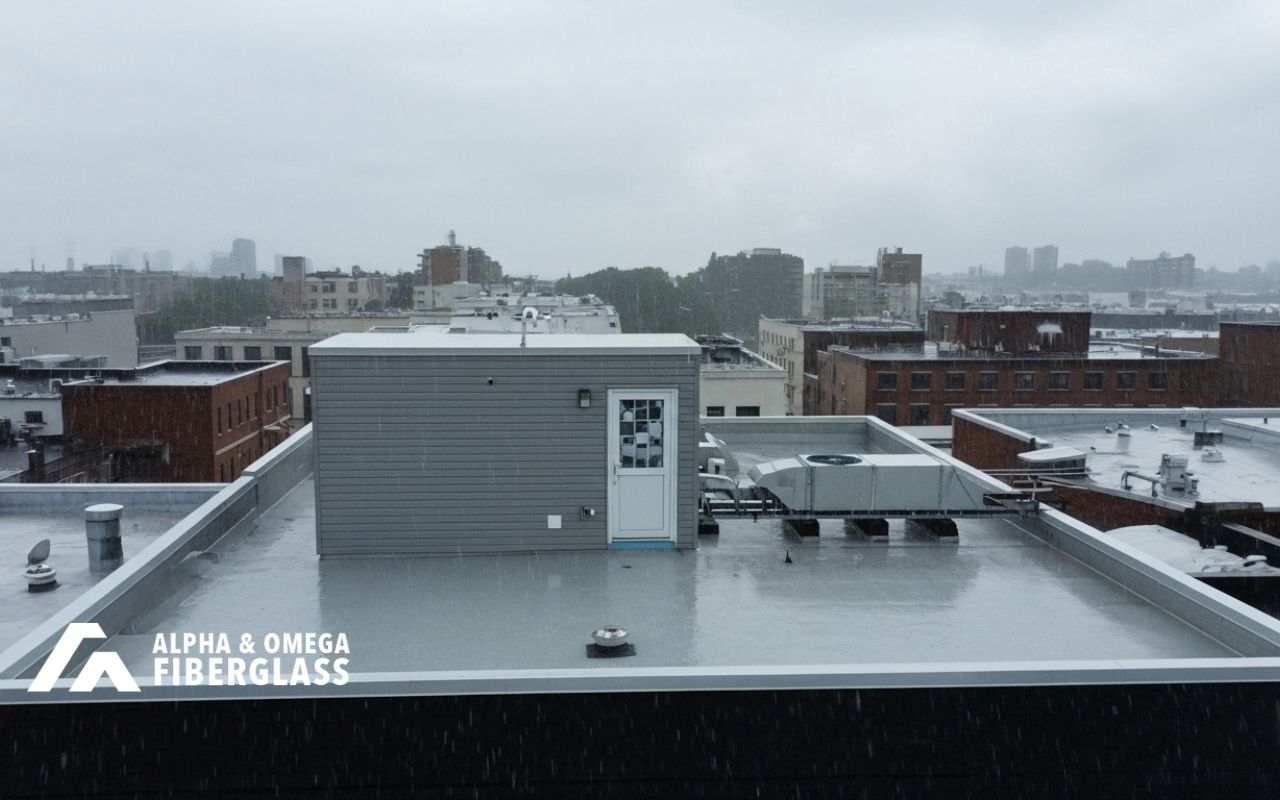
What makes fiberglass roof slip resistance vital today
Rain, dust, and organic buildup can turn a roof into a risky surface. At Alpha & Omega Fiberglass, we believe safe footing matters every season. Therefore, fiberglass roof slip resistance should stay part of every care plan from the start.
What makes fiberglass roof slip resistance vital today
We know roof safety starts with traction. Because roofs face rain, dirt, and daily wear, grip can fade over time. As a result, fiberglass roof slip resistance becomes a key part of long-term roof care. When the surface keeps better traction, people move with more confidence and less risk.
Moreover, a non-slip fiberglass roof helps protect both people and property. It also supports safer inspections, cleanups, and routine service visits. Therefore, Alpha & Omega Fiberglass recommends simple steps that protect the surface before problems grow.
Keep walking areas clean and dry when possible.
Check the roof after storms or heavy debris.
Watch for smooth spots that feel slick underfoot.
For a closer look at roof system options, visit Transform Your Home with Fiberglass Roof. If you need help now, reach out through Contact Us | Alpha & Omega Fiberglass Philadelphia, PA.
Prevent Wet Weather Falls with Simple Roof Habits
Wet weather often causes the biggest issues. Even a thin layer of water can reduce traction fast. In addition, leaves, algae, and dust can trap moisture and make the surface feel slick. Because of that, fiberglass roof slip resistance should never depend on luck.
At Alpha & Omega Fiberglass, we suggest a simple routine. First, clear debris before it holds moisture. Next, inspect the roof after rain or wind. Then, address worn areas early. Consequently, the roof stays safer and easier to manage through the year.
Remove leaves before they stay wet for days.
Wash away dirt with gentle products and soft tools.
Inspect seams and low spots where water may sit.
These habits support a safer roof without adding stress. They also help keep a non-slip fiberglass roof performing better between service visits.
Choose Safety Coatings That Support Safer Daily Access
The right surface treatment can improve safety in a practical way. For that reason, many owners choose safety coatings FRP when traction needs a boost. These coatings add texture, support grip, and help the roof handle weather more effectively.
Still, not every product works the same way. So, choose a coating made for outdoor use, moisture exposure, and sun exposure. Also, make sure the roof is cleaned well before application. A clean surface supports better bonding and a more even finish.
At Alpha & Omega Fiberglass, we encourage owners to compare products with care. Likewise, many fiberglass roof contractors look at roof pitch, local climate, and foot traffic before choosing a finish. Therefore, the best option is the one that fits your real roof conditions.
Pick coatings designed for roofs, not indoor floors.
Review grip level, weather durability, and care needs.
Plan touch-ups before worn spots spread further.
When used correctly, safety coatings FRP can support fiberglass roof slip resistance and add another layer of surface protection.
Follow Clear Steps to Maintain Reliable Roof Traction
Good results come from regular care. Because of that, Alpha & Omega Fiberglass recommends a simple maintenance schedule that stays easy to follow. A roof does not need complex care to stay safer. However, it does need attention before small issues become bigger ones.
How to keep traction in better condition
Start with a visual check every few months.
Clear loose debris from service paths and corners.
Wash the surface gently and let it dry well.
Look for worn texture, smooth areas, or water buildup.
Apply touch-up coating where grip has dropped.
Call experienced fiberglass roof contractors for larger areas.
This process supports steady fiberglass roof slip resistance over time. It also helps Alpha & Omega Fiberglass clients avoid surprise issues after storms or seasonal changes.
Test Surface Grip Before Small Problems Turn Serious
Testing helps you act before a slip happens. For example, you can wet a small area and check whether the surface still feels stable with proper footwear. While simple checks help, professional review may be better for larger roofs or high-use areas.
In many cases, fiberglass roof contractors can confirm whether the texture still performs as expected. As a result, owners get a clearer view of when cleaning, touch-ups, or a new coating may help most. Therefore, fiberglass roof slip resistance stays part of a real safety plan, not just a one-time task.
At Alpha & Omega Fiberglass, we believe testing, cleaning, and timely action work best together. So, if your roof feels smoother than before, now is a smart time to ask for guidance through Contact Us | Alpha & Omega Fiberglass Philadelphia, PA.
Frequently Asked Questions
How can I improve traction on my fiberglass roof?
You can start with cleaning, debris removal, and a review of worn areas. In addition, surface treatment may help when texture has faded. For roof system guidance, see Transform Your Home with Fiberglass Roof.
When should I review my roof safety process?
You should review it after storms, before service visits, and whenever the roof feels smoother than usual. Also, a written safety routine helps teams stay consistent. Learn more at What Safety Plan Do You Need for Fiberglass Roofing Projects?.
What should a day-one roof safety zone include?
A day-one plan should define access, walking routes, hazard awareness, and clear work habits. Because structure matters, planning early lowers risk. Read more at What is a fiberglass roof safety plan, and how do you build a safe zone on day one?.
Can a non-slip fiberglass roof still need maintenance?
Yes. Even a non-slip fiberglass roof can lose grip from dirt, moisture, and wear. Therefore, regular cleaning and touch-ups remain important for lasting performance.
Who should handle larger traction problems on a fiberglass roof?
Larger worn areas are often best reviewed by fiberglass roof contractors with real roof experience. That way, the surface gets the right treatment for its condition. To request help from Alpha & Omega Fiberglass, visit Contact Us | Alpha & Omega Fiberglass Philadelphia, PA.
References:
Slip Resistance - Occupational Health & Safety
Best Practices for Roof Safety - Buildings
