





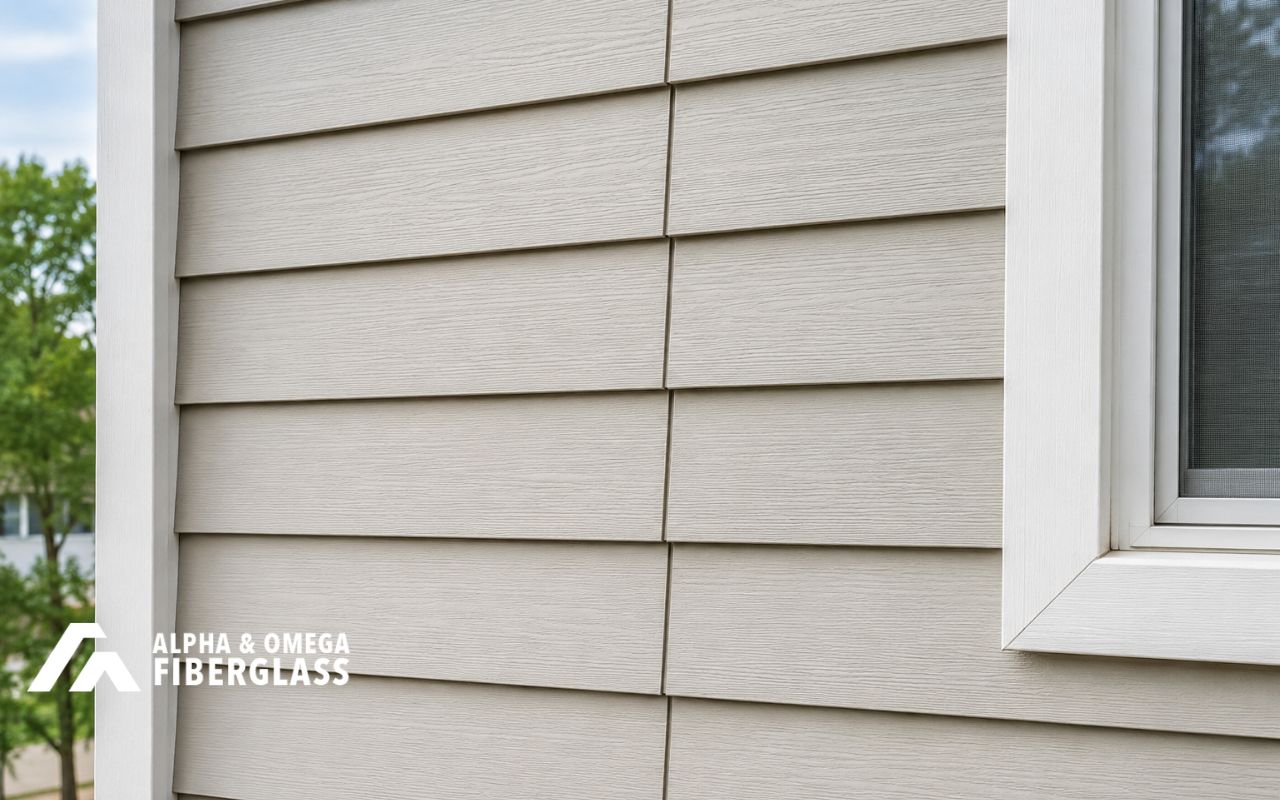
Why Does Siding Expansion and Contraction Affect Homes?
Hot afternoons can make exterior panels shift more than many homeowners expect. When gaps, waves, or tight seams appear, your siding may be reacting to heat, humidity, or poor spacing. For support with inspection, repair, or replacement planning, review our Siding Installation & Repair Services for Lasting Home Protection.
Why Does Siding Expansion and Contraction Affect Homes?
Siding expansion and contraction affects homes because exterior panels grow in heat and shrink in cooler weather. This movement is normal, but poor spacing, tight fasteners, or moisture problems can cause buckling, gaps, and water entry behind the siding.
Exterior siding protects the wall system while improving curb appeal. Homeowners need it when panels are cracked, loose, warped, or poorly sealed. The right repair or installation plan helps control moisture, reduce movement problems, and keep the exterior stable through changing temperatures.
Temperature Changes Create Visible Siding Movement in Summer
Siding movement in summer becomes more noticeable when long sunny days heat panels for hours. Warm siding expands, then contracts again as temperatures drop at night. This daily cycle can expose weak installation details, especially on long wall sections.
Vinyl, wood, fiber cement, and metal do not move the same way. Vinyl can shift more than fiber cement, while wood may also swell with moisture. At Alpha & Omega Fiberglass, we check panel alignment, trim clearance, and fastener placement before recommending the next step.
Wavy panels on hot days
Small gaps near trim
Loose seams after cooling
Cracks near edges
Panels pressed tightly against corners
Small movement is normal, but repeated stress can lead to bigger repairs. If the same section changes shape often, schedule a review before moisture reaches the wall behind it.
Thermal Expansion Siding Problems Reveal Installation Weaknesses
Thermal expansion siding problems often start when panels cannot move freely. Siding needs room at ends, corners, windows, and doors. When nails or screws hold panels too tightly, heat has nowhere to go and the surface can buckle.
The Vinyl Siding Institute installation guidance explains that installers should follow product instructions and allow proper movement. We use that same practical mindset during project reviews. Instead of treating panels as fixed boards, we look at the full wall system.
Fasteners should not pinch panels
Ends need space at trim pieces
Flashing should guide water away
Long runs may need careful layout
Damaged panels should be replaced promptly
When customers contact Alpha & Omega Fiberglass, we explain what we see and why movement may be happening. For larger properties, our guide to What are the best commercial siding options for Philadelphia businesses? can help compare material choices.
Moisture Control Protects Walls Behind Moving Panels
Moving siding can leave openings where water, insects, or wind-driven rain may enter. Good siding work is not only about the outer panel. It also depends on flashing, underlayment, drainage paths, and trim details.
The Building America Solution Center notes that many exterior cladding systems can allow some rain through cracks, joints, and small gaps. That is why drainage behind the siding matters. Water needs a safe path out before it reaches sheathing or framing.
During a siding review, we look for open seams, missing flashing, swollen trim, and stains near wall openings. With Alpha & Omega Fiberglass, customers get clear guidance before work begins. If your project includes other exterior needs, visit our Fiberglass Services page for related options.
Moisture hidden behind siding can damage sheathing before the problem becomes obvious indoors. Early inspection helps reduce that risk.
Material Choices Shape Long-Term Exterior Performance
Different siding materials react in different ways under heat, sun, moisture, and wind. Choosing the right product starts with the building, exposure, maintenance needs, and appearance goals. A careful choice can reduce movement problems over time.
Vinyl siding often needs more movement clearance. Wood siding needs sealing and upkeep because humidity can cause swelling. Fiber cement tends to stay more stable, but joints and cut edges still need care. Metal panels can react quickly to direct sun and need proper fastening.
Choose lighter colors for hot, sunny walls
Keep shrubs away from siding surfaces
Clean dirt that may hold moisture
Repair loose panels before storms
Check seams after strong temperature swings
Homeowners can view completed exterior work on our Project Gallery. The right siding installation contractor should explain materials in simple terms, not pressure you into one choice.
Our Inspection Process Clarifies the Right Repair Plan
A clear process helps homeowners understand what is happening before any siding work begins. We first ask about visible damage, recent weather, panel age, and problem areas. Then we inspect the siding and explain practical repair or replacement options.
After you contact Alpha & Omega Fiberglass, we review the concern and plan the next step. During the appointment, we check fasteners, seams, trim, flashing, and wall openings. Before work begins, we explain what needs attention first and what can be monitored.
Share photos or describe the siding issue.
Schedule an exterior review when needed.
Inspect movement, gaps, and moisture signs.
Discuss repair or replacement options.
Complete the agreed work with careful cleanup.
Once the work is complete, we help you understand maintenance steps. That may include seasonal checks, cleaning guidance, and warning signs to watch during summer heat.
Frequently Asked Questions
Why does my siding look wavy during hot weather?
Siding can look wavy when heat makes panels expand. If panels were fastened too tightly, they may bend instead of sliding. A review can confirm whether the issue is normal movement or damage needing Siding Installation & Repair Services for Lasting Home Protection.
Can siding expansion and contraction cause water damage?
Yes, siding expansion and contraction can create gaps near trim, windows, doors, or seams. Those openings may let rain enter the wall system. Fast action helps prevent hidden moisture damage, especially when gaps appear after hot days or storms.
Which siding materials move most in summer heat?
Vinyl often shows more summer movement than fiber cement because it reacts strongly to temperature changes. Wood also changes with moisture. Metal can heat quickly in direct sun. Our Fiberglass Services page can help you explore related exterior solutions.
How often should homeowners inspect exterior siding panels?
Check siding at least twice a year and after strong storms. Look for buckling, gaps, loose panels, open joints, and stains. Seasonal checks are helpful because siding movement in summer may look different than siding behavior in cooler weather.
When should I call a siding installation contractor?
Call a siding installation contractor when panels buckle, pull away, crack, or show repeated movement. You should also ask for help if water appears near interior walls. To discuss concerns, use Contact Our Exterior Team.
Schedule Trusted Siding Guidance Before Damage Spreads
Siding expansion and contraction is easier to manage when small signs are checked early. At Alpha & Omega Fiberglass, we review the exterior, explain the cause, and guide you toward a practical next step. For a siding concern, repair question, or project review, reach us through Contact Our Exterior Team.
