





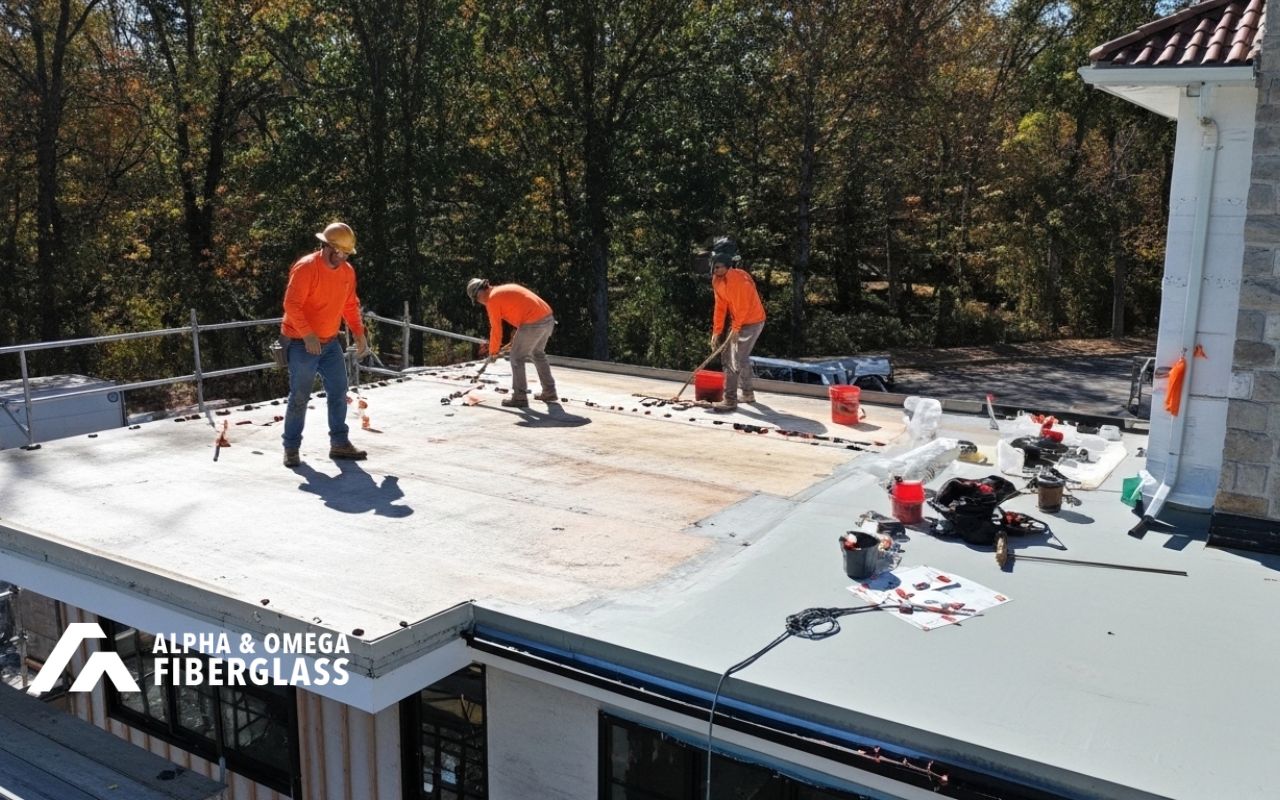
How Can Fiberglass Roof Parapet Flashing Prevent Leaks
Water often enters a roof where the parapet wall meets the roof surface. Therefore, the right flashing matters. At Alpha & Omega Fiberglass, we use durable fiberglass methods to help stop leaks, protect walls, and support long-term roof care for homes and businesses.
How Can Fiberglass Roof Parapet Flashing Prevent Leaks
Fiberglass roof parapet flashing helps seal the weak line where a roof meets a raised wall. Also, it creates a smooth barrier that moves water away from open joints. Because this area takes heavy rain, sun, wind, and ice, strong flashing can protect your roof for years.
At Alpha & Omega Fiberglass, we often see leaks start at corners, seams, and wall transitions. Therefore, our goal is simple. We help you protect these areas before small gaps become large repairs.
Protect Your Roof Edges With Strong Flashing Systems
Parapet walls sit above the roof line. As a result, they face rain, wind, heat, and movement every season. When the edge is not sealed well, water can move into the roof system.
Because of this, parapet wall leaks often start quietly. You may see ceiling stains, soft roof areas, or peeling wall paint. Also, the damage may spread before it becomes easy to notice.
Flashing closes open roof-to-wall joints.
It directs water toward safe drain paths.
It helps reduce hidden moisture inside walls.
It protects roof edges from long-term wear.
For deeper leak support, visit our common roof leak causes guide. Also, our roof leak detection support page can help you understand warning signs.
Choose Fiberglass Materials For Better Weather Protection
Fiberglass roof parapet flashing works well because it forms a tight, lasting seal. Also, it can fit many roof shapes. This matters when parapet edges are uneven or hard to protect.
Unlike some metal flashing, fiberglass does not rust. Moreover, it resists many common weather problems. It can handle sun, rain, and daily temperature changes without pulling away easily.
Alpha & Omega Fiberglass uses fiberglass systems because they support strong, seamless coverage. Therefore, they help reduce weak points where water may enter.
For property owners, this means fewer worries during storms. Also, it means a cleaner roof edge and stronger long-term defense.
Compare Traditional Flashing With Modern Fiberglass Performance
Traditional flashing can work well when installed correctly. However, it may still fail over time. Metal can corrode, bend, or open at fasteners. Asphalt-based materials can crack or separate.
Fiberglass flashing details are different. The material can be layered, shaped, and bonded to the roof surface. As a result, it creates a smoother seal around tricky parapet areas.
Fiberglass creates fewer seams than many older systems.
It bonds well around corners and edges.
It stays strong during common weather changes.
It supports long-term roof maintenance plans.
Also, fiberglass roof parapet flashing is a smart choice when your roof needs a clean repair. For related work, see our roof repair service page.
Reduce Leaks Through Careful Surface Preparation
A strong installation starts before the flashing goes on. First, the surface must be clean. Then, loose sealants, dirt, and weak materials must be removed.
After that, the surface must be ready for bonding. Therefore, proper prep helps the new fiberglass hold firm. If this step is rushed, leaks can return.
At Alpha & Omega Fiberglass, we focus on the details that matter. Also, we check the roof edge, wall base, corners, and nearby drainage areas. This helps us build a better repair plan.
Because every roof is different, we do not treat parapet flashing as a quick patch. Instead, we look at how water moves across the roof.
Install Flashing Correctly For Long Lasting Results
Correct installation helps the flashing perform through changing weather. Also, it helps prevent gaps at the roof-to-wall line. This is where many leaks begin.
A skilled fiberglass roof repair contractor will measure, cut, bond, and seal with care. Then, the fiberglass layers are smoothed to reduce air pockets and weak areas.
Clean the parapet and roof transition area.
Remove loose coatings, debris, and old failed sealant.
Apply the correct bonding materials.
Set fiberglass layers across the transition.
Seal edges after the system cures.
Because details matter, Alpha & Omega Fiberglass follows a clear work flow. You can learn more on our our project process page.
Extend Roof Life With Simple Maintenance Habits
Even strong flashing should be checked over time. Therefore, regular inspections help catch small issues early. They also help protect the roof before heavy rain seasons.
Look for cracks, loose edges, ponding water, or stains near parapet walls. Also, check drains and scuppers. Blocked water paths can place stress on flashing and roof seams.
Check roof edges after major storms.
Keep drains clear of leaves and debris.
Watch for stains on ceilings or walls.
Schedule repairs before moisture spreads.
For a full roof system view, explore our complete roof system page. Also, Alpha & Omega Fiberglass can help when your roof needs careful review.
Hire Skilled Help For Safer Repair Decisions
Roof leaks can be hard to trace. Water may enter at one point and show damage somewhere else. Therefore, professional inspection can save time and stress.
A trained fiberglass roof repair contractor understands resin, bonding, cure time, and surface conditions. Also, they know how to protect corners, caps, and roof-to-wall transitions.
Alpha & Omega Fiberglass works with homeowners and business owners who need durable roof care. Moreover, we explain the repair plan in clear terms before work begins.
If you need local help, visit our local roofing help page. Then, reach us through our contact our team page to request support.
Enjoy Peace Of Mind With Seamless Roof Protection
Fiberglass roof parapet flashing gives your roof a strong barrier at one of its weakest points. Also, it helps lower the risk of water damage inside your property.
At Alpha & Omega Fiberglass, we believe good flashing should do more than cover a seam. It should protect your roof, support drainage, and reduce future repairs.
Because fiberglass is durable, flexible, and weather-resistant, it is a strong option for many flat and low-slope roofs. Therefore, it can be a smart long-term choice for parapet wall leaks.
Alpha & Omega Fiberglass is ready to help you protect your roof with careful work and clear guidance. When your roof edge needs attention, our team can help you move forward with confidence.
Frequently Asked Questions
What causes leaks near parapet walls?
Leaks often start where the roof meets the wall. Also, failed seams, poor drainage, and cracked coatings can make the issue worse. Our common roof leak causes guide explains more signs to watch.
How do I know my flashing needs repair?
You may see stains, soft roof spots, open seams, or peeling paint. Therefore, a leak check is important. Visit our roof leak detection support page for helpful next steps.
Can fiberglass flashing work with my existing roof?
In many cases, yes. However, the surface must be clean, sound, and ready for bonding. Our complete roof system page explains how fiberglass supports roof protection.
Why should I hire a professional for this work?
Professional work helps reduce mistakes at corners, seams, and roof edges. Also, correct prep helps the repair last. See our our project process page to learn how we work.
How can I request help with parapet flashing?
You can send us your project details and ask for guidance. Also, photos can help us understand the issue. Use our contact our team page to get started.
References:
