





What Makes Fiberglass Roof Energy Efficiency Improve Home Comfort?
Hot rooms after sunny afternoons often point to roof heat gain, not only poor cooling. If your home feels warm even when the air conditioner runs, our fiberglass roof services can help you understand a better roof path.
What Makes Fiberglass Roof Energy Efficiency Improve Home Comfort?
Fiberglass roof energy efficiency improves comfort by reducing roof heat absorption, helping indoor rooms stay cooler, and easing air conditioner strain when paired with reflective coatings and proper installation.
A fiberglass roof uses glass fiber material, resin, and a protective top layer to create a strong roof surface. Homeowners and building owners use this system when they need better cooling support, fewer heat problems, and a roof that can accept reflective coatings for added comfort.
Reflective Roof Systems Lower Heat Before It Enters
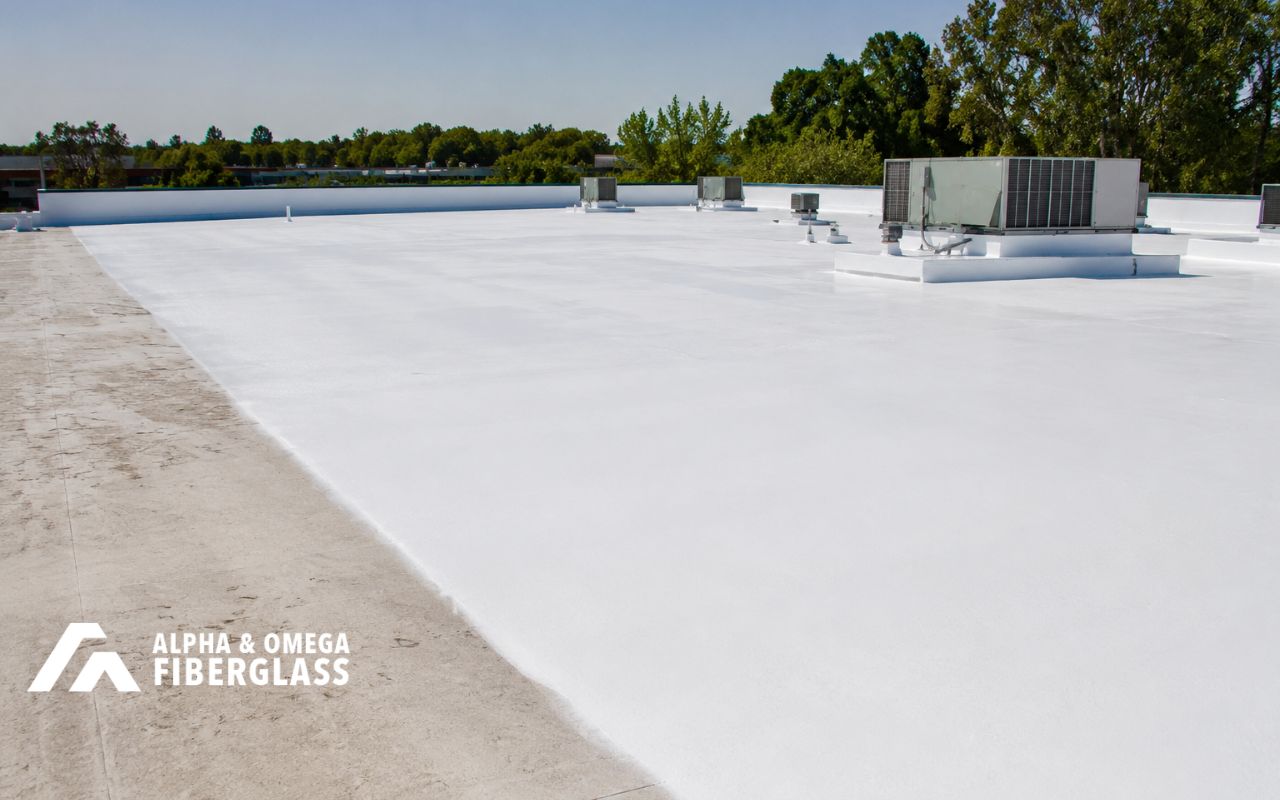
Reflective roof systems help reduce heat by sending more sunlight away from the roof surface. The U.S. Department of Energy explains that cool roofs reflect more sunlight and absorb less solar energy than standard roofs, which can lower building temperature.
At Alpha & Omega Fiberglass, we review roof surface condition, color goals, and coating needs before suggesting a system. A lighter or reflective topcoat can make a big difference during hot weather. It can also help protect the roof from repeated thermal movement.
Less roof surface heat
Lower attic heat gain
Reduced air conditioner demand
Better comfort in upper rooms
For more color guidance, read our fiberglass roof topcoat color effects guide.
Heat Reduction Roofing Supports Cooler Rooms and Less Strain
Heat reduction roofing works best when the roof surface, coating, and installation all support cooler performance. A roof that absorbs less solar heat can reduce indoor hot spots and help your cooling system run with less stress.
Fiberglass roof energy efficiency matters because roof heat can move into attics, ceilings, and upper rooms. Once heat builds there, cooling becomes harder. We check the roof surface, look for weak areas, and explain what may affect performance before work begins.
The EPA notes that cool roofs can support heat island reduction, especially in areas with many dark roofs and paved surfaces. That makes reflective roofing helpful for homes and communities.
Choose reflective finishes when heat is the main concern.
Use proper coatings to seal and protect the surface.
Repair weak areas before applying a topcoat.
Ask how roof color affects indoor comfort.
Smart Coating Choices Protect Performance Through Seasonal Changes
Coating choice affects how long a fiberglass roof keeps its cooling value. A well-matched topcoat can reflect sunlight, help control surface heat, and protect the roof from moisture, dirt, and daily weather exposure.
When customers contact Alpha & Omega Fiberglass, we ask about the roof age, current coating, leak concerns, and comfort problems inside the building. This helps us recommend a practical path instead of guessing from the ground.
Reflective coatings can lose performance when dirt, standing water, or surface damage builds up. Because of that, routine cleaning and roof checks help protect energy savings. A clear inspection can also show whether a full project or smaller coating work makes sense.
Learn more about coating choices in our fiberglass roof coating guide.
Experienced Roofing Guidance Clarifies Costs, Care, and Options
A fiberglass roofing contractor should help you compare comfort, roof condition, coating choices, and long-term maintenance. Clear guidance helps you avoid choosing only by color, price, or a quick surface look.
With Alpha & Omega Fiberglass, you get practical explanations before decisions are made. We look at the roof type, roof slope, surface wear, drainage concerns, and coating condition. Then we explain what each option may solve.
Fiberglass roof energy efficiency depends on more than one product. The roof system should work as a full surface, from base repair to final coating. For commercial properties, planning is even more important because larger roof areas can collect more heat.
Residential roofs often focus on comfort and cooling.
Commercial roofs often focus on larger heat loads.
Older roofs may need repair before coating.
Coating color can affect long-term performance.
For larger buildings, our fiberglass roofing for commercial buildings resource explains key planning points.
Simple Booking Steps Prepare Your Roof Upgrade Clearly
A clear roof process helps customers know what happens before any work starts. The first step is sharing the roof concern, property type, visible damage, and comfort problem so we can guide the next decision.
Our team at Alpha & Omega Fiberglass can explain the next step after you reach out. We may ask about leaks, roof age, coating color, past repairs, and problem areas. This helps us prepare for a useful review.
Share your roof concern and comfort issue.
Send basic property and roof details.
Review repair, coating, or roof options.
Discuss the expected work approach.
Confirm the best next step for your roof.
Before work starts with Alpha & Omega Fiberglass, we explain the surface needs, preparation steps, and coating plan when those details apply. You can also explore our fiberglass roofing services page for related support.
Frequently Asked Questions
Can fiberglass roofing help lower indoor summer heat?
Yes, fiberglass roofing can help lower indoor summer heat when the roof includes reflective coating and proper surface preparation. The goal is to reduce heat absorption before it moves into ceilings and rooms. For local service information, visit our fiberglass roofing in Bensalem PA page.
What affects fiberglass roof energy efficiency the most?
Fiberglass roof energy efficiency is affected by roof color, coating reflectivity, surface condition, insulation, and installation quality. A damaged or dirty roof may not perform as well. A proper review helps identify whether repair, cleaning, coating, or replacement is the better next step.
Are reflective roof systems useful for older roofs?
Reflective roof systems may help older roofs if the surface is still sound enough for coating. Weak spots, moisture damage, and poor adhesion should be corrected first. Our fiberglass roof coating guide explains how coating decisions affect performance.
How often should a fiberglass roof be checked?
A fiberglass roof should be checked after strong storms, visible damage, or signs of leaks. Regular reviews help protect coatings, drainage, and seams. Cleaning debris and watching for surface wear can help maintain cooling performance and reduce unexpected repair needs.
Who should I contact for fiberglass roofing guidance?
You should contact a team that can review roof condition, coating needs, and comfort concerns before recommending work. A fiberglass roofing contractor should explain options clearly. To ask about your roof, use our contact our roofing team page.
Professional Roof Planning Creates Cooler Long-Term Home Value
Fiberglass roof energy efficiency can make your home feel cooler, protect your roof surface, and support better energy use over time. When you are ready to compare options, explore our fiberglass roof services or contact us for clear guidance before your next roofing decision.
