





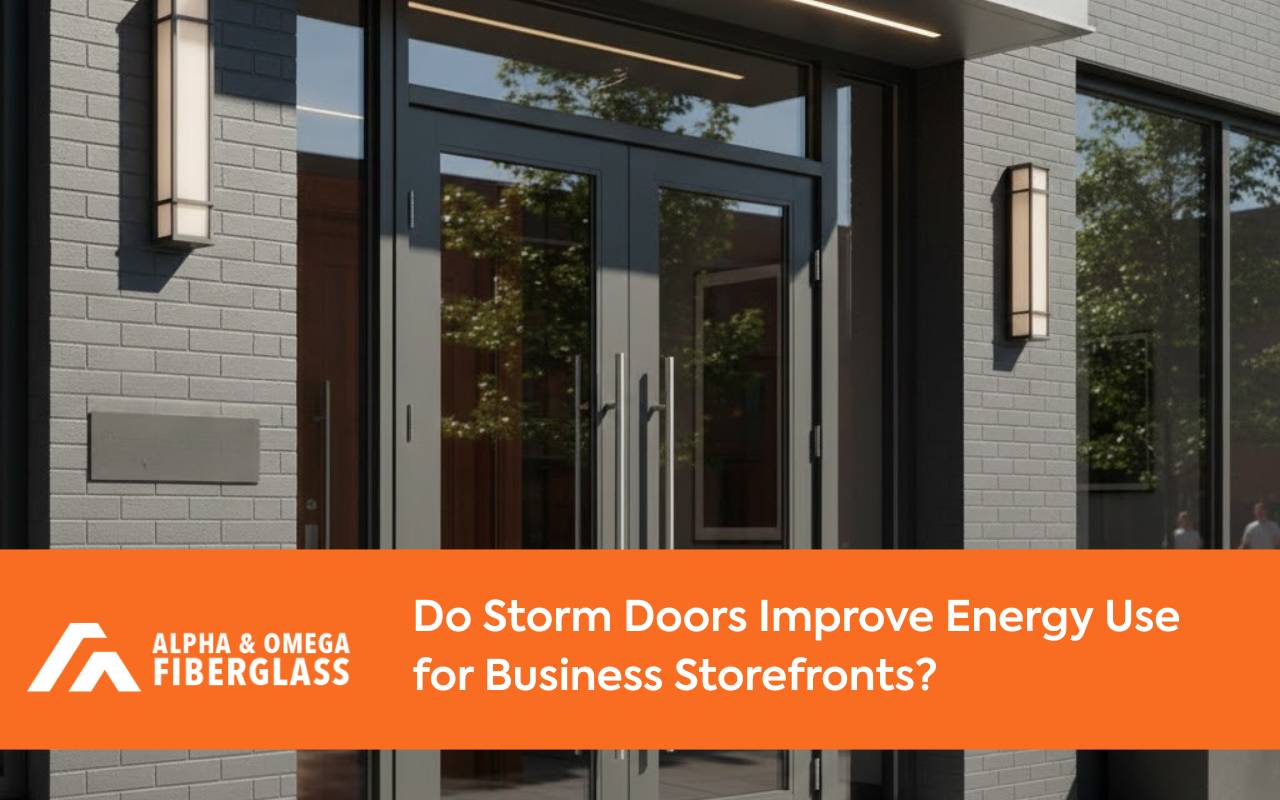
Do Storm Doors Improve Energy Use for Business Storefronts?
Storefront storm doors can do much more than improve how your entrance looks. When temperatures change quickly or strong winds blow, many owners think only the appearance of the entrance is at risk. Yet a smart storm door can cut energy loss, keep interiors comfortable, and support a more eco-friendly operation.
These doors act like a quiet shield against wasted heating and cooling. From better door hardware and improved weatherstripping to smart glass options, every part helps protect your storefront. Your entrance can still look sleek and modern, while your building uses less energy and feels more comfortable for customers and staff.
Benefits of Storefront Storm Doors for Energy Efficiency
Explore how an extra door layer creates a helpful buffer between the outdoors and your main entrance. By adding this protection, the door slows heat transfer and reduces drafts. As a result, interiors stay warmer in winter and cooler in summer, so your heating and cooling systems work less.
Modern designs also improve air sealing. Snug frames, clear glazing, quality hinges, and strong latches all help block wind-driven rain and dust. Over time, fewer leaks mean less wear on HVAC units and fewer sudden temperature swings. Clients, employees, and visitors notice a steadier, more pleasant indoor climate.
Reduced drafts near the entrance area
Less strain on heating and cooling systems
More stable indoor temperatures during busy hours
Another benefit is lower maintenance. Unlike major renovations, installing a storm door is a low-impact upgrade with a fast return. Durable materials and corrosion-resistant finishes handle daily use and harsh weather. Energy bills shrink, equipment lifespans grow, and interiors stay welcoming through every season.
Understanding the Impact on Energy Costs
Small improvements at the entrance can lead to noticeable utility savings. When you add storefront storm doors, your heating and cooling systems do not need to cycle as often. This means steadier indoor temperatures and fewer expensive start-and-stop events for furnaces, boilers, and air conditioners.
Even a few degrees of temperature loss add up across a full season. Busy commercial spaces have heavy foot traffic. Every time the main door opens, conditioned air escapes. With a secondary barrier in place, these losses drop, so monthly gas and electric costs become easier to control and predict.
Better control also helps long-term budgeting. Instead of sudden spikes on utility statements, you see more stable charges. Reliable temperature management supports employee productivity and boosts customer comfort. In turn, your storefront feels both greener and more enjoyable to visit.
Choosing the Right Storm Door Hardware
Quality door hardware plays a huge role in overall performance. Hinges, handles, closers, locks, and panic bars affect durability and ease of use. Strong components handle heavy traffic and constant opening and closing without sticking, sagging, or letting in drafts.
Heavy-duty hinges that resist sagging
Adjustable door closers for smooth, tight closure
Reliable locks and cylinders for added security
Well-designed panic bars for fast emergency exit
Panic bars are especially important in many commercial buildings. These push-pad devices allow quick exit during emergencies while keeping a clean, modern appearance. When paired with sturdy hinges and a well-tuned closer, they help the door shut firmly every time, preserving the seal.
Accessibility also matters. Full-view panels maximize visibility, while half-view designs balance light and privacy. Properly keyed locks and weather-resistant handles protect against unwanted entry and outdoor air. For installations that include primary doors and storm doors together, consider entry and storm door installation that keeps everything aligned and sealed.
Innovative Weatherstripping Techniques
Effective weatherstripping is a simple way to seal gaps and stop drafts at the entrance. Strips along the frame, threshold, and moving parts fill cracks that let in cold air and moisture. This extra barrier increases insulation without making the door hard to open or close.
Different materials work for different gaps. Foam tape suits flat surfaces, while V-shaped strips fit tighter spaces. Brush seals block wind-driven dust and small pests. Magnetic strips create an airtight closure similar to a refrigerator door. Using a mix of weatherstripping types can seal both large gaps and tiny crevices for better protection.
For long life, choose weatherstripping rated for commercial use. UV-resistant coatings and strong adhesives stand up to constant movement and sun exposure. Regularly clean and inspect the seals. Replace worn sections early to keep air sealing and energy performance strong during years of heavy traffic.
Optimal Glass Options for Improved Insulation
Glass choices also affect comfort and savings. Storm doors can include single-pane clear glass or double-pane insulated units with special coatings. Energy-efficient glazing lowers heat transfer, reduces glare, and helps keep warmth indoors during cold weather.
Low-emissivity, or low-E, coatings reflect heat inside in winter while blocking excess solar gain in summer. Tinted or frosted panes provide privacy and UV protection, helping to prevent fading on displays and décor. Tempered and laminated glass options improve safety by lowering the risk of dangerous shards in busy entrances.
Many designs offer interchangeable glass panels or removable inserts. This flexibility lets you use solid panels during harsh winter days and clear glass during mild seasons. In this way, you maintain both curb appeal and year-round energy efficiency without constant major changes.
Enhancing Eco-Conscious Design with Storm Doors
Eco-friendly design is now a key part of many building plans. Because storefront storm doors cut energy waste, they help companies meet sustainability goals and show care for the environment. Some green building programs even award points for improved door insulation and better air sealing.
Material choices matter too. Aluminum, fiberglass, and responsibly sourced wood frames can reduce environmental impact. Pair them with low-VOC finishes to support healthier indoor air quality. These choices create more pleasant spaces for employees and customers while supporting long-term sustainability goals.
In addition, highlighting these upgrades in your marketing can boost your brand image. Sharing how your entrance supports energy savings sends a strong message. Eco-aware customers appreciate visible actions that back up your sustainability statements.
Improving Comfort and Sustainability
A well-sealed entrance supports steady indoor comfort. Storm doors act like a thermal buffer, reducing sudden temperature changes when people enter or exit. Cold drafts in winter and hot gusts in summer are softened, so the lobby and nearby areas feel more comfortable.
Good seals can also help improve indoor air quality. A properly installed storm door blocks dust, pollen, and other outdoor pollutants before they reach the primary door. This can reduce cleaning needs and support better respiratory comfort, which is another part of a sustainable building strategy.
By reducing strain on HVAC equipment, these doors help systems last longer. Fewer breakdowns and smoother operation mean less waste and lower maintenance costs. When paired with long-lasting roof systems, such as those discussed in fiberglass roofing for Cherry Hill properties, the overall building envelope becomes more efficient.
Over time, you can combine these upgrades with timely care. For example, proper door care and fiberglass roof repair services both help protect your investment and maintain consistent comfort throughout the building.
Storm Doors as a Competitive Advantage
A carefully designed storefront stands out in a crowded market. Customers notice clean, bright, and comfortable entrances. A storm door can lift curb appeal while sending a clear signal of professionalism and attention to detail.
Energy-saving features also support your reputation. When you talk about your efficient doors, upgraded door hardware, and careful weatherstripping, you show that you value comfort and cost control. Visitors arrive expecting a climate-controlled, quiet, and welcoming space.
Comfortable conditions and clear views through well-chosen glass encourage people to stay longer. When customers feel relaxed, they tend to browse more and return more often. Over time, this can increase repeat business and positive word-of-mouth recommendations.
Installation Tips for Maximum Energy Performance
Good installation is essential for strong energy performance. First, make sure the opening is square and level, because any misalignment can cause gaps. Use shims where needed, then check for even spacing around the frame before tightening screws.
Measure and level the opening carefully
Use shims to correct gaps in the frame.
Seal around the exterior frame with quality caulk.
Add weatherstripping to the sides, top, and threshold
Next, seal the exterior frame and moving parts. Caulk the outside edges and apply weatherstripping around the door. Foam tape along the bottom threshold blocks drafts, while V-strips along the sides and top stop air leaks. Adjust the closer so the door shuts firmly yet smoothly.
Regular maintenance helps protect your energy gains. Lubricate hinges, tighten loose screws, and inspect panic bars and locks for wear. Replace damaged weatherstripping or cracked glass panels quickly. If you want help following a proven installation plan, explore our process for fiberglass and door projects.
Frequently Asked Questions
Are storefront storm doors a good idea for small shops?
Yes, they can be very helpful for smaller spaces. Even a compact storefront can lose a lot of conditioned air through frequent door openings. A well-sealed storm door reduces drafts and keeps the front area more comfortable, which can be especially important in narrow shops and cafés.
Will a storm door make my entrance harder to use?
With the right door hardware and closer settings, the door should feel smooth and easy to operate. Quality hinges and properly adjusted closers keep the door from slamming while still closing it firmly. For busy commercial entries, panic bars allow fast, code-compliant exits without slowing traffic.
Can storm doors help with noise from the street?
Yes, many designs provide a modest noise buffer. The extra glass layer and air space between doors help reduce traffic noise and outdoor chatter. While they will not replace full acoustic systems, they can make reception areas and waiting spaces feel noticeably quieter and more pleasant.
How often should I replace weatherstripping on my storm door?
The timeline depends on traffic and climate, but it is wise to inspect seals at least once a year. Look for cracks, flat spots, or gaps where light shows through. Replacing worn weatherstripping promptly keeps the door sealing properly and protects your long-term energy savings.
Who should I contact for help with storm door installation?
Because the correct setup is key, it is often best to work with experienced installers. If you need guidance or a professional quote, you can contact the Alpha & Omega Fiberglass team to discuss options for your specific storefront and building conditions.
Embracing Energy Efficiency with Storm Doors
Adopting storefront storm doors is a simple step toward lower energy bills, better comfort, and a stronger, eco-friendly image. Durable door hardware, advanced weatherstripping, and insulated glass all work together to keep indoor temperatures steady and pleasant.
These upgrades support sustainability goals while giving your business a visible design advantage. With careful installation and regular maintenance, your doors can provide value, comfort, and style for many years. Customers and employees alike will feel the difference every time they step through your entrance.
