





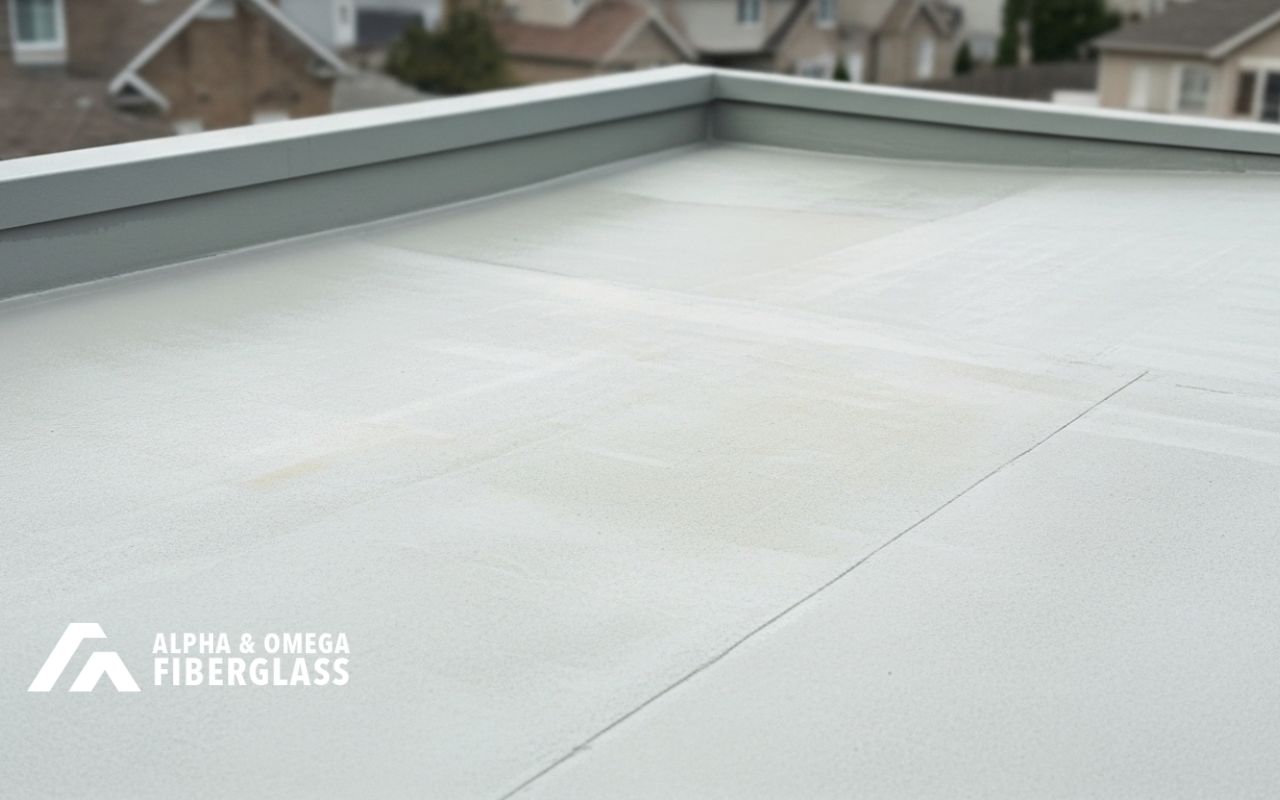
What Warning Signs Show a Fiberglass Roof Needs Recoating?
Your roof protects your property every day. However, weather and time can wear the surface down. At Alpha & Omega Fiberglass, we help owners spot early damage fast. When you know the signs fiberglass roof needs recoating, you can act early, avoid stress, and keep your roof performing well.
What Warning Signs Show a Fiberglass Roof Needs Recoating?
At Alpha & Omega Fiberglass, we see many roofs lose protection little by little. Therefore, small surface changes should never be ignored. When signs fiberglass roof needs recoating appear, fast action can prevent more serious damage. Our team wants you to know what matters most, what to watch each season, and when fiberglass roof repair becomes the smarter next step.
Recognize early surface changes before moisture problems spread
Early changes often look minor. However, they usually point to a weaker top layer. When signs fiberglass roof needs recoating show up, the finish may already be losing strength. At Alpha & Omega Fiberglass, we encourage regular checks because small defects often grow after heat, rain, and foot traffic.
Look for fading, chalky areas, or uneven color.
Check for tiny blisters, hairline cracks, or rough patches.
Notice bare areas where the finish looks thinner than before.
These fiberglass roof wear signs can appear slowly. Even so, they matter because they allow water to reach weak points faster. For a closer look at coating performance, read Fiberglass Roof Coating Guide: Stop Leaks and Protect Roofs. If you already see active damage, our Fiberglass Roof Repair | Protect Your Home with Expert Care page explains the next step clearly.
Watch fading and erosion as protective layers weaken
Sun exposure can wear down the outer coating over time. As a result, the color may fade and the finish may look dry or dusty. This is often one of the clearest signs fiberglass roof needs recoating. In many cases, surface erosion FRP starts quietly, then becomes easier to spot after strong sun or heavy storms.
At Alpha & Omega Fiberglass, we tell property owners to compare the roof with older photos when possible. If the surface now looks washed out, patchy, or worn, protection may be fading. Because coatings help limit weather exposure, a fresh layer can restore a stronger barrier and help delay bigger repairs.
Inspect blisters and cracks to stop deeper deterioration
Blisters and cracks deserve quick attention. Although they can begin as small marks, they may let moisture move below the coating. Then the damage can spread wider across the surface. When these fiberglass roof wear signs appear, the roof may be telling you that recoating should not wait much longer.
Small blisters can point to trapped air or moisture.
Hairline cracks may widen during heat and cold cycles.
Grouped defects often suggest the finish has aged unevenly.
Because these problems can lead to leaks, Alpha & Omega Fiberglass recommends documenting each area with photos. Then compare those spots after the next weather event. For a simple review method, visit What is a Fiberglass roof inspection checklist, and how do you use it?.
Check standing water because weak coatings hold moisture
Standing water is never a small issue. If water remains on the roof for more than a short period, the coating stays under stress. Over time, that can lead to blistering, soft areas, and avoidable leaks. Therefore, ponding is one of the most important signs fiberglass roof needs recoating.
At Alpha & Omega Fiberglass, we also look at drains, edges, and low spots during roof reviews. When water movement slows down, hidden wear becomes more likely. If you want to reduce repeat moisture issues, our guide What is a fiberglass roof maintenance plan, and how do you build one for long-lasting care? can help you plan routine checks.
Notice biological growth that signals long-term damp conditions
Dark streaks, green patches, and mold-like buildup can signal trapped moisture. While the growth may seem cosmetic at first, it can point to a surface that stays wet too long. That is why Alpha & Omega Fiberglass treats it as a warning sign, not just a cleaning issue.
When damp areas return again and again, the coating may no longer protect the surface as it should. In that case, surface erosion, FRP, and moisture exposure may be working together. If odor, dampness, or buildup keeps coming back, review How can you achieve fiberglass roof odor control without disrupting occupants? for added guidance on moisture-related concerns.
Review granule loss where the finish looks bare
If protective texture or surface particles are collecting in drainage paths, the roof may be shedding part of its defense. Consequently, the exposed finish can wear faster under sun and rain. This issue often appears alongside fading, roughness, and other fiberglass roof wear signs.
Check gutters and drains for unusual surface debris.
Look for smooth bare spots that stand out from nearby areas.
Mark those areas so you can track changes over time.
At Alpha & Omega Fiberglass, we often see this problem develop before larger leaks begin. Therefore, early recoating can help restore surface protection before deeper wear demands broader fiberglass roof repair.
Compare energy changes when roof reflectivity starts declining
A roof with a worn surface may absorb more heat. As a result, indoor spaces can become harder to cool in warm months. While energy changes alone do not confirm roof damage, they can support other signs fiberglass roof needs recoating when seen together with fading or erosion.
If your property suddenly feels less comfortable, it is worth reviewing the roof surface as part of the bigger picture. Alpha & Omega Fiberglass believes it is best to connect visual clues with performance clues. That way, you can respond with a clear plan instead of waiting for a leak to force the decision.
Follow a simple process for smarter recoating decisions
You do not need a complex system to spot trouble early. Instead, you need a repeatable routine. At Alpha & Omega Fiberglass, we suggest a seasonal review that keeps records simple and useful. This approach helps you notice fiberglass roof wear signs before they become expensive.
Start with a visual check after winter and after major storms.
Photograph faded, cracked, or damp areas from the same angle.
Note any repeat ponding, odor, algae, or surface debris.
Compare changes with your last inspection notes.
Schedule professional help when damage appears to spread.
If you want local service information, see Fiberglass Roofing in Norristown, PA | Durable Roof Solutions. When you are ready to talk with us directly, use Contact Us | Alpha & Omega Fiberglass Philadelphia, PA.
Choose timely professional help to extend roof service
Recoating at the right time can preserve the roof and reduce future stress. However, waiting too long can turn a surface issue into a repair issue. That is why Alpha & Omega Fiberglass encourages owners to act when clear signs fiberglass roof needs recoating begin to appear.
We believe a good plan starts with honest inspection, clear photos, and practical next steps. In some cases, recoating is enough. In others, targeted fiberglass roof repair may come first. Either way, Alpha & Omega Fiberglass is ready to help you protect the roof before wear moves deeper into the system. To discuss your roof with our team, visit Contact Us | Alpha & Omega Fiberglass Philadelphia, PA.
Frequently Asked Questions
How often should I inspect a fiberglass roof for wear?
We suggest checking it at least in spring and fall. Also, inspect after strong storms. For a repeatable review method, use What is a Fiberglass roof inspection checklist, and how do you use it?.
What are the most common fiberglass roof wear signs?
The most common signs include fading, blisters, cracks, rough areas, and recurring ponding. These fiberglass roof wear signs often appear before larger leaks. For coating basics, read Fiberglass Roof Coating Guide: Stop Leaks and Protect Roofs.
Can surface erosion of FRP lead to leaks later?
Yes, it can. When surface erosion of FRP progresses, the outer layer may lose strength and allow moisture to reach weak spots. Therefore, early action matters. If damage is already visible, review Fiberglass Roof Repair | Protect Your Home with Expert Care.
When should I choose fiberglass roof repair before recoating?
You should consider fiberglass roof repair first when cracks, blisters, or soft areas have already moved past surface wear. In that case, repairs may need to come before a new protective layer. Our Fiberglass Roof Repair | Protect Your Home with Expert Care page explains that path.
How can I keep the roof in better condition after recoating?
A simple maintenance routine helps a lot. Clean debris, check drainage, document changes, and inspect the surface every season. To build that routine, visit What is a fiberglass roof maintenance plan, and how do you build one for long-lasting care?.
