





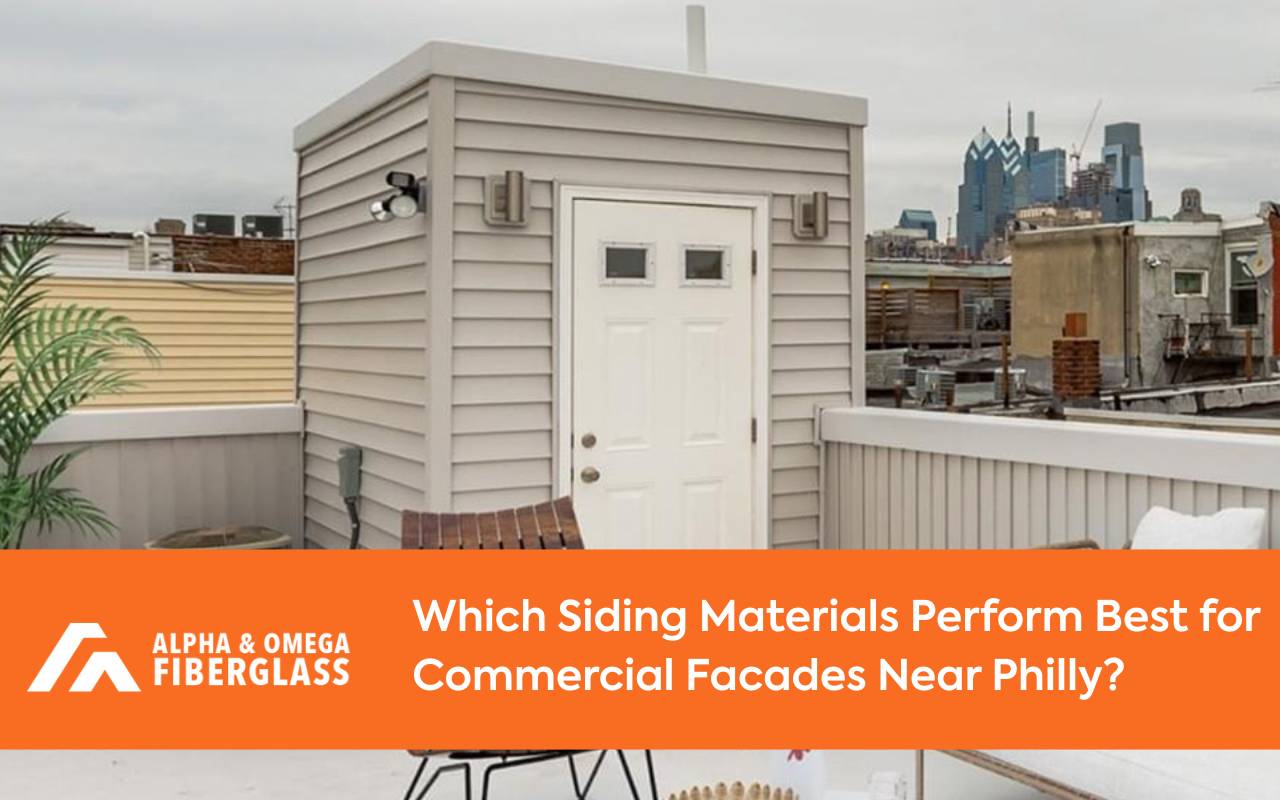
Which Siding Materials Perform Best for Commercial Facades Near Philly?
Choosing Siding for Commercial Buildings in Philly demands durability, efficiency, and style. Weather shifts, historic streets, and busy corridors test every façade. This guide compares top materials, highlights wind ratings, and explains soffit/fascia choices. Use it to plan resilient envelopes that look sharp and last.
Metal Siding: Sleek, Resilient, and Low Maintenance
Metal siding delivers a modern profile and long service life. Steel and aluminum resist fire, pests, and moisture. Coatings curb heat absorption and reduce fading. Interlocking panels speed installation and help seal out drafts. Siding for Commercial Buildings benefits from metal strength and stable finishes in high-traffic corridors.
Clean, contemporary lines for urban corridors.
Coated finishes improve energy performance.
Simple upkeep: rinse or mild soap.
Strong wind ratings with proper fastening.
Where Metal Siding Excels
Use it on exposed corners, loading docks, and mid-rise façades. Panels handle rain, snow, and UV without warping. The look fits new builds and thoughtful retrofits.
Fiber-Cement Panels: Beauty with Sturdiness
Fiber-cement panels mimic wood or masonry yet shrug off rot and insects. Dense boards hold paint and stay dimensionally stable in humidity. Install over a weather barrier with sealed seams. For Siding for Commercial Buildings near historic blocks, fiber-cement blends in without sacrificing performance.
Refined textures and crisp shadow lines.
Low expansion and contraction in temperature swings.
Reliable wind ratings when fastened per spec.
Good fit for historic streetscapes.
Ideal Use Cases
Apply on storefronts and upper stories needing a classic vibe with modern resilience. Annual rinses and quick seal checks keep panels performing.
Vinyl Siding: Cost-Effective and Straightforward
Vinyl balances budget and speed. Interlocking PVC panels resist moisture and insects. Leave small gaps during fastening to manage movement. Paired with air barriers, vinyl can bolster efficiency.
Brick Facades: Timeless Appeal
Brick adds permanence and thermal mass. Inspect and repoint mortar to block water. Decorative lintels and contrasting joints enrich street presence.
Wood Siding: Natural Warmth
Cedar and redwood offer rich grain and a welcoming feel. Plan periodic coatings and back-ventilation. With careful detailing, wood ages gracefully.
Stucco Finishes: Seamless and Durable
Traditional and acrylic stucco create monolithic skins that resist cracking and fire. Multiple thin coats over mesh or foam control drafts and moisture.
Factors Influencing Longevity: Wind Ratings and Maintenance
Philadelphia storms demand attention to wind ratings. Match materials and fasteners to required loads. Verify edge detailing and overlaps. Specify Siding for Commercial Buildings systems with tested assemblies and documented pressures.
Confirm tested wind ratings for each system.
Tighten loose fasteners during seasonal checks.
Clear debris at trims and drip edges.
Wash finishes to remove pollutants.
Soffit vs. Fascia Solutions: Form and Function
Soffits ventilate eaves and control attic moisture; fascia anchors gutters and finishes the roof edge. Coordinating colors unifies the façade.
Ventilated soffit panels aid energy control.
Aluminum or vinyl soffits resist rot.
Composite fascia hides nail holes cleanly.
Match soffit/fascia to metal siding or fiber-cement panels.
Energy Efficiency Considerations
Insulated metal, stucco over rigid foam, and air barriers trim heat transfer. Light, reflective colors reduce solar gain and cooling load.
Seal window and door perimeters carefully.
Specify continuous insulation where feasible.
Pair façades with efficient glazing and a quality fiberglass roof.
Audit air leakage after installation.
Material Comparison Checklist
Target wind ratings and exposure zones.
Maintenance capacity and cleaning access.
Historic context and brand aesthetics.
Upfront budget versus lifecycle costs.
Related Building Envelope Services
Need experts for siding repair and installation? Planning roofing upgrades? Explore a durable fiberglass roof to complement your façade strategy.
Frequently Asked Questions
What is the best siding for commercial buildings in Philly?
Siding for Commercial Buildings that leads today: metal and fiber-cement. Both handle moisture, temperature swings, and wind ratings well.
How do wind ratings affect specification?
They define the pressure a system can withstand. Match ratings to exposure, and follow fastening patterns exactly.
Do soffit/fascia choices impact energy use?
Yes. Ventilated soffits manage attic heat and moisture. Proper fascia supports gutters, preventing water intrusion.
Which material balances cost and appearance?
Vinyl offers the lowest upfront cost. Fiber-cement panels provide an elevated look with moderate maintenance.
How often should I maintain my façade?
Inspect every season. Clean surfaces, reseal joints as needed, and verify gutter performance at fascia lines.
Choosing Siding for Commercial Buildings: Next Steps
Shortlist metal siding, fiber-cement panels, and stucco for tough urban conditions. Align selections with wind ratings and ventilation via soffit/fascia. For tailored guidance on Siding for Commercial Buildings, Contact Us today. Our team specifies high-performance envelopes with precision for busy corridors.
