





What Fiberglass Roof Delamination Signs Should Owners Notice First?
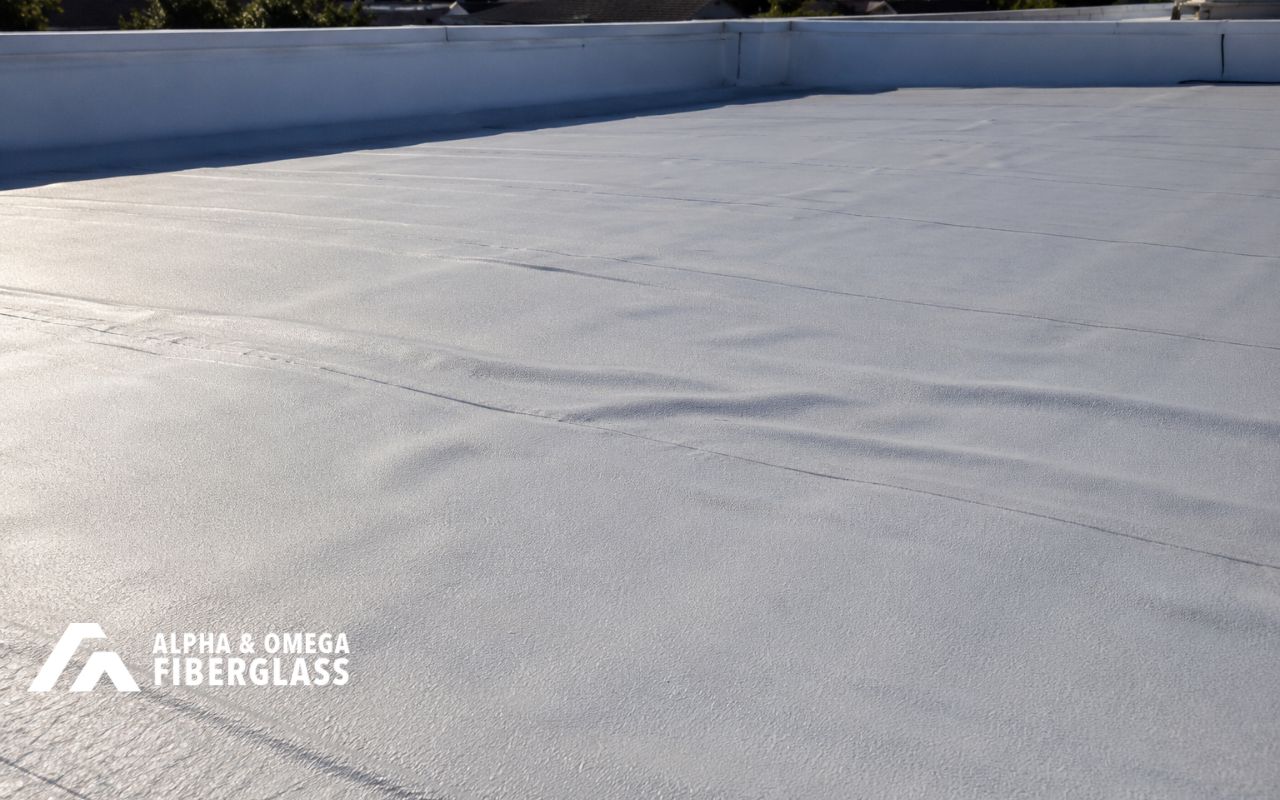
Fiberglass roof delamination signs include uneven areas, bubbles, soft spots, cracking sounds, and surface lifting. These signs often mean roof layers are separating, so early inspection can prevent leaks, moisture damage, and larger repair needs.
What Fiberglass Roof Delamination Signs Should Owners Notice First?
Fiberglass roof delamination signs are visible or touch-based clues that roof layers have lost adhesion. Homeowners, business owners, and property managers need this knowledge when a fiberglass roof looks uneven, sounds hollow, or shows bubbles. Therefore, early action helps solve bonding failure symptoms before water reaches the building.
Recognize Early Surface Changes Before Hidden Damage Spreads
Early surface changes often show that fiberglass roof layers are losing contact. Therefore, small bubbles, lifted spots, dips, and hollow areas should never be ignored because they can grow into leaks when rain, heat, and foot traffic stress the roof.
Fiberglass roofs use resin, mat layers, and protective coatings. However, heat, moisture, age, and poor bonding can weaken those layers. As a result, fiberglass roof separation may start in one small area and then spread outward.
At Alpha & Omega Fiberglass, we look for surface movement, moisture paths, and weak spots. Also, we explain what we find in simple terms.
Look for raised bubbles that feel different from the nearby roof.
Watch for dips, waves, or soft areas under light pressure.
Listen for hollow sounds when a trained person checks the surface.
Check after storms because trapped moisture can make signs easier to see.
Fiberglass roof delamination signs usually start small, yet they can weaken waterproofing when air or moisture enters between layers.
Compare Common Symptoms Clearly With Practical Roof Concerns
Common symptoms become easier to judge when each sign connects to a clear roof concern. Therefore, bubbles may point to trapped moisture, uneven areas may show layer movement, and cracking sounds may reveal loss of contact below the surface.
Use the table below to compare early signs with possible concerns. However, avoid cutting, peeling, or opening any roof layers yourself. That step can create a leak path.
Visible Or Audible Sign What It May Mean Tiny bubbles or blisters Air or moisture may be trapped between roof layers. Uneven surface areas Layers may be moving, lifting, or losing adhesion. Soft or spongy spots Moisture may be weakening the roof surface or base. Hollow or cracking sounds The top layer may not be fully bonded below.
Also, compare each concern with nearby roof areas. A single soft spot may be minor. However, several weak spots can show a wider bonding issue.
According to the U.S. Department of Energy, white roofing products can reflect about 60% to 90% of sunlight. Therefore, surface color and heat exposure can affect how much stress a roof surface receives over time. Learn more from the DOE Cool Roofs guide.
For related surface bubbles, review our blister warning guide. Also, if water marks appear indoors, check our leak cause guide.
Key Takeaway: Surface changes and symptom patterns help reveal roof layer separation before major leaks develop.
Inspect Roof Areas Safely With Simple Home Checks
A safe roof check should be slow, visual, and limited to what you can inspect without risk. Therefore, use ground-level views when possible, choose dry weather, and call trained help when access, height, or surface conditions feel unsafe.
Direct sunlight can make raised or dipped areas easier to see because light creates shadows on uneven roof sections. However, never walk on a roof when the surface is wet, slick, weak, or unsafe.
Next, document what you see. Take photos from safe angles. Also, mark the general location of bubbles, dips, stains, and lifted edges.
Choose a clear, dry day with good light.
Check the roof from safe access points first.
Look for bubbles, waves, cracks, and edge lifting.
Compare each area with the surrounding roof surface.
Schedule help when signs grow, spread, or return.
Alpha & Omega Fiberglass recommends simple notes because photos help compare changes over time. Moreover, they help us understand your concern faster.
For a deeper checklist, read our inspection checklist.
Choose Professional Testing When Warning Signs Keep Returning
Professional testing helps confirm whether surface signs are cosmetic or structural. Therefore, repeated bubbles, hollow sounds, moisture marks, and growing soft spots should be checked with proper tools before repair work begins.
A trained fiberglass roof repair service can inspect adhesion, moisture levels, seams, edges, and drainage paths. Also, professional testing can find hidden bonding failure symptoms that a simple visual check may miss.
Alpha & Omega Fiberglass checks the roof surface, explains repair options, and recommends the least disruptive path when possible. However, we also tell customers when a larger repair is the safer choice.
Call when bubbles grow after rain or heat.
Call when soft spots spread across the surface.
Call when leaks appear near drains, curbs, or edges.
Call when patch areas keep failing.
For service details, visit our repair options.
Key Takeaway: Safe inspection and professional testing help confirm the real cause before repair decisions are made.
Repair Small Separation Zones Before Leaks Spread Indoors
Small separation zones are often easier to repair than larger damaged areas. Therefore, timely sanding, drying, resin work, reinforcement, and coating can help restore the surface before water reaches deeper roof sections.
Moisture should be handled quickly because the EPA says water-damaged areas should be dried within 24 to 48 hours to help prevent mold growth. See the EPA’s A Brief Guide to Mold Moisture and Your Home.
Repair work depends on the area size and roof condition. For example, a small separated spot may need sanding, resin, fiberglass mat, and a sealed topcoat. However, larger areas may need a wider overlay.
Fiberglass roof repair service should focus on clean preparation, dry surfaces, proper bonding, and durable sealing.
For repair steps, review our patch process guide.
Prevent Future Bonding Problems With Better Roof Care
Better roof care reduces the chance of repeated separation. Therefore, regular inspections, clean drainage, prompt leak repair, and careful surface maintenance can protect the bond between layers and extend the useful life of the roof.
Heat can stress roof materials. The U.S. Department of Energy notes that conventional roofs can reach 150°F or more, while reflective roofs may stay more than 50°F cooler. Learn more from the DOE’s Cool Roofs guide.
Also, clear drains and remove debris because standing water can increase moisture pressure. Then, schedule checks after heavy rain, snow, or strong wind.
Keep drains and scuppers open.
Fix small cracks before water enters.
Limit unnecessary foot traffic on the roof.
Review roof surfaces after major storms.
Ask for help when bubbles or soft spots return.
Alpha & Omega Fiberglass helps customers understand maintenance needs, repair timing, and practical next steps. As a result, roof care feels easier and less stressful.
Key Takeaway: Fast repair and steady maintenance reduce moisture risk, bonding stress, and repeat roof problems.
Frequently Asked Questions
How do I know if roof bubbles mean separation?
Roof bubbles may mean air or moisture is trapped under the surface. Therefore, compare the bubble with nearby areas and note any growth. For more help, read our blister warning guide.
When should I call someone about soft roof spots?
Call when soft spots grow, feel spongy, or appear near leaks. Also, call after storm damage or repeated patch failure. Start with our repair options.
What happens if fiberglass roof separation is ignored?
Ignored separation can let water, air, and dirt move between layers. As a result, leaks and wider surface damage may follow. If you see indoor stains, review our leak cause guide.
Why is a professional inspection helpful before patching?
A professional inspection can confirm whether the surface is dry, bonded, and ready for repair. Therefore, it helps avoid weak patches. Use our inspection checklist to learn what gets reviewed.
How do I schedule repair help in Philadelphia?
You can request local help when warning signs appear, spread, or return. For city-specific support, visit our service in Philadelphia page or contact our team.
Protect Your Property With Clear Repair Guidance Today
Fiberglass roof delamination signs are easier to manage when you act early. Therefore, our team can inspect the concern, explain the cause, and guide your next step. To start, contact our team today.
