





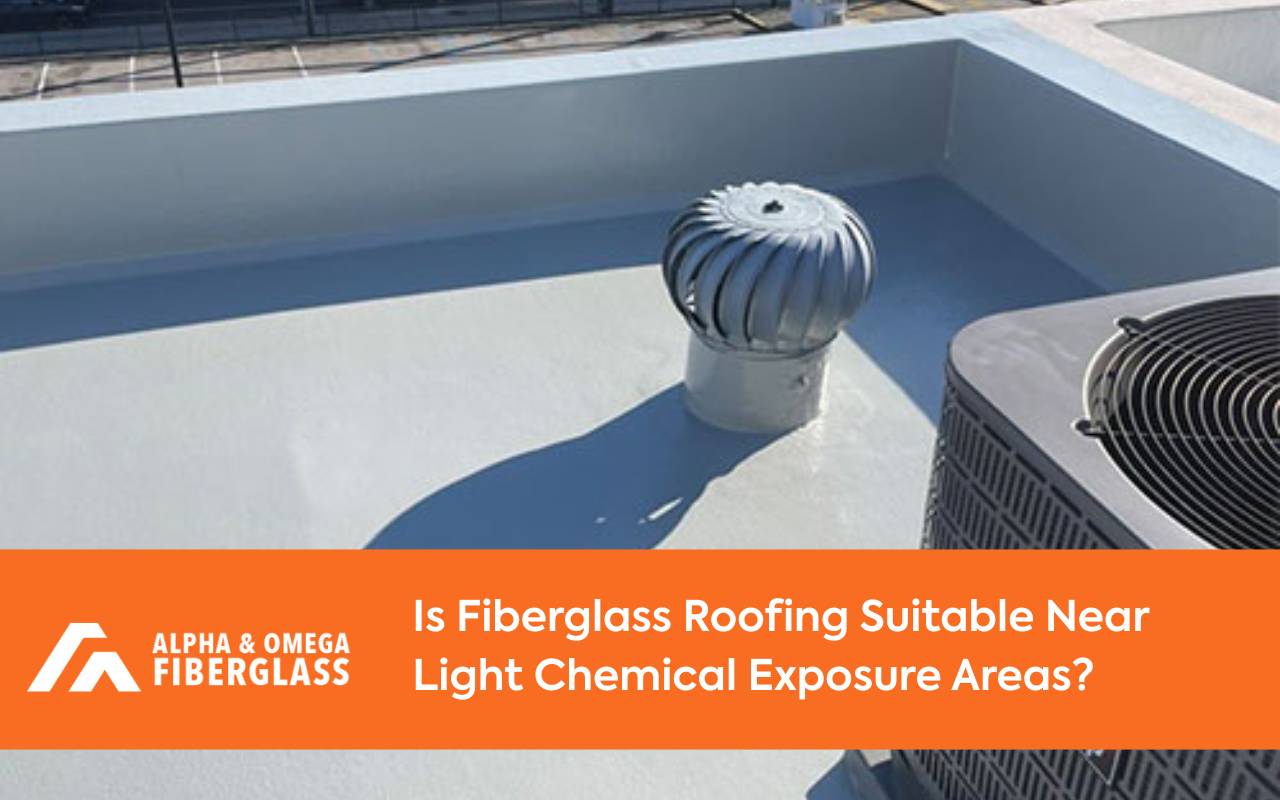
Is Fiberglass Roofing Suitable Near Light Chemical Exposure Areas?
Fiberglass roofing can perform well near light chemical activity when it is specified correctly. Matching materials to exposures is essential. Start by reviewing Chemical Resistance FRP data for each panel system. Tie those findings to your shop’s actual chemicals. This approach balances durability, safety, and cost, while keeping maintenance predictable.
Understanding Fiberglass Roofing Composition
Fiberglass panels combine glass fibers, a resin matrix, and a protective topcoat. Each layer influences durability and chemical performance. Chemical Resistance FRP improves when materials are selected to match the environment. Better design yields longer service life and fewer surprises.
Core Elements Explained
Glass fibers: provide structural strength and crack resistance.
Resin matrix: binds fibers and adds baseline chemical protection.
Topcoat finish: shields against UV, moisture, and airborne agents.
Quality control during production matters. Even small defects in the topcoat can allow penetration. Confirm thickness, cure, and finish standards before buying.
Chemical Resistance of Fiberglass Roofing
Chemical performance depends largely on resin type and topcoat selection. Standard systems handle mild acids, alkalis, and light oils. Prolonged contact or heat can accelerate wear. Always check published ratings, especially for solvents.
Real-World Variables
Temperature: heat can soften resin; cold can increase brittleness.
UV exposure: can dull surfaces and affect coatings over time.
Contact time: repeated films or droplets may etch finishes.
Request test data for pH ranges, solvent splash, and stain resistance. Align results to expected conditions and cleaning practices.
Impact of Light Chemical Exposure
Light spills usually evaporate quickly, but repetition degrades finishes. Films from vapors can become reactive under sun. Good housekeeping limits buildup. Plan storage and workflow to reduce accidental contact.
Improve outcomes with smart layout and simple barriers. Add drip trays and keep containers away from drains and edges. Periodic rinsing removes residue before it bonds.
Importance of Resin Selection
Selecting the right matrix is pivotal. Polyester is economical for general service. Vinyl ester improves resistance to wider chemistries. Epoxy often delivers the strongest barrier. Make resin selection with documented, comparable data.
Ask for exposure charts that match your facility. Confirm short-term splash, fume exposure, and cleaning cycles. Chemical Resistance FRP improves when resin aligns with the actual risk profile.
Topcoat Chemistry and Its Role
The finish acts as the first shield. Advanced topcoat chemistry resists cleaners, light acids, and oils. Gel coats handle UV well; added layers like acrylic or polyurethane can enhance toughness. Maintain the finish before wear becomes structural.
Inspect for dulling, crazing, or peeling. Recoat early with compatible products. This simple step preserves Chemical Resistance FRP and extends lifecycle value.
Factors Affecting Chemical Resistance
Panel thickness: thicker skins slow chemical diffusion.
Curing quality: complete cure maximizes crosslink density.
Installation climate: humidity and temperature affect cure rates.
Manufacturing consistency: certified suppliers reduce variability.
Document storage, handling, and installation per manufacturer guidance. Small process controls have large lifecycle impacts.
Fume Control Considerations
Airborne vapors can settle on roofs and react under sunlight. Effective fume control lowers accumulation. Use local capture, exhaust, and filtration at sources. Combine with periodic rinsing to remove films.
Mobile extractors help during temporary tasks. Balanced airflow also improves indoor air quality and worker comfort.
Material Safety Data Sheets (MSDS) Significance
MSDS considerations link chemicals to roofing choices. Review pH, solvent content, and incompatibilities. Match those findings to resin selection and topcoat chemistry. Keep an organized MSDS library for quick cross-reference.
Share your MSDS list with suppliers. Request products with proven resistance to your exact agents. This practice supports defensible specifications and better outcomes.
Maintenance for Longevity in Light Chemical Areas
Rinse surfaces routinely to remove films before reaction.
Use mild soaps compatible with the finish.
Respond quickly to spills with approved procedures.
Schedule inspections for color change, gloss loss, and microcracks.
Touch up coatings before substrate exposure occurs.
Consistent care preserves Chemical Resistance FRP and lowers lifecycle costs. Align maintenance with housekeeping and fume control programs.
Frequently Asked Questions
Can fiberglass roofing handle occasional solvent wipes?
Yes, when the resin and topcoat are specified for those solvents. Verify compatibility and limit contact time.
How often should I rinse the roof near light chemical use?
Monthly is a good baseline. Increase frequency after heavy activity or during hotter periods.
Is epoxy always the best choice?
Epoxy often resists more agents, but cost and flexibility matter. Compare data to the actual exposure profile.
Do fumes really damage roofs without liquid spills?
Over time, yes. Films from vapors can become reactive under heat and UV. Ventilation helps greatly.
What documents help me choose materials?
Use MSDS, manufacturer test reports, and field references. Align findings with your cleaning and fume control plans.
Making the Right Choice
Combine accurate exposure data with documented materials. Chemical Resistance FRP should be validated against your MSDS list. Specify proper resin selection and topcoat chemistry. Support the system with fume control and maintenance. For project guidance, contact our team via Contact Alpha & Omega Fiberglass.
Related Services and Information
Explore our capabilities: Alpha & Omega Fiberglass, Siding Repair and Installation, Railing Installation, and Fiberglass Roof. These services complement projects requiring controlled exposures and durable finishes.
With correct specification and care, Chemical Resistance FRP delivers reliable service near light chemical exposure. Apply practical housekeeping and early maintenance for the best lifecycle value. Chemical Resistance FRP, aligned with resin selection and topcoat chemistry, supports safer facilities. Use fume control strategies for stable conditions. Review MSDS considerations routinely. Together, these steps make Chemical Resistance FRP a confident choice.
